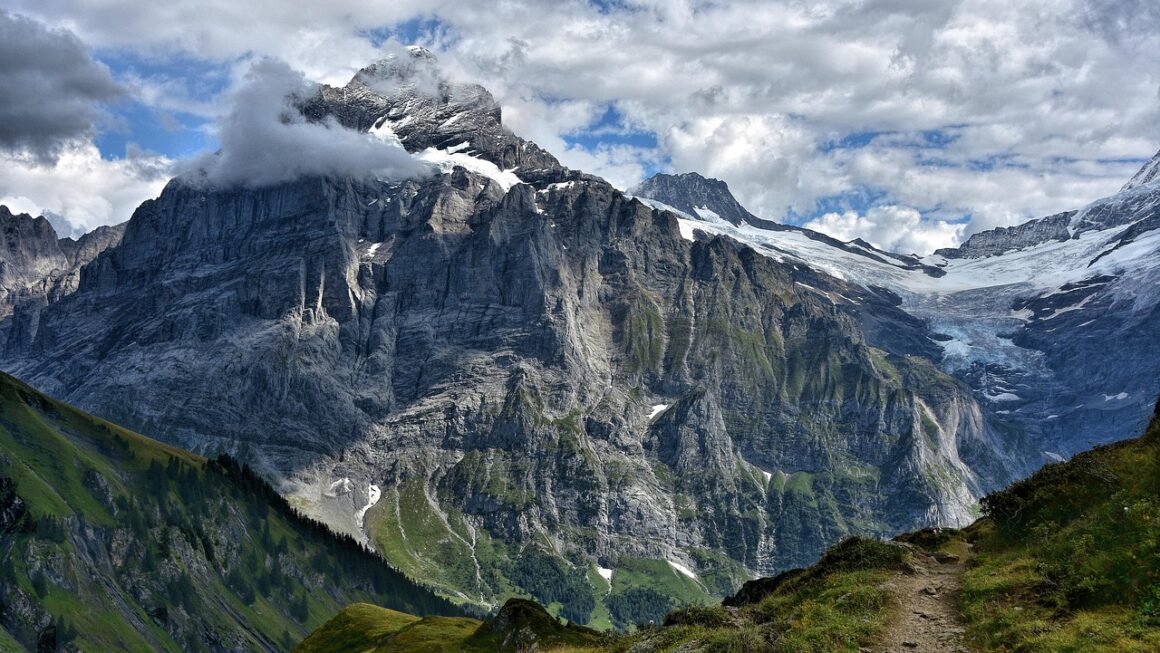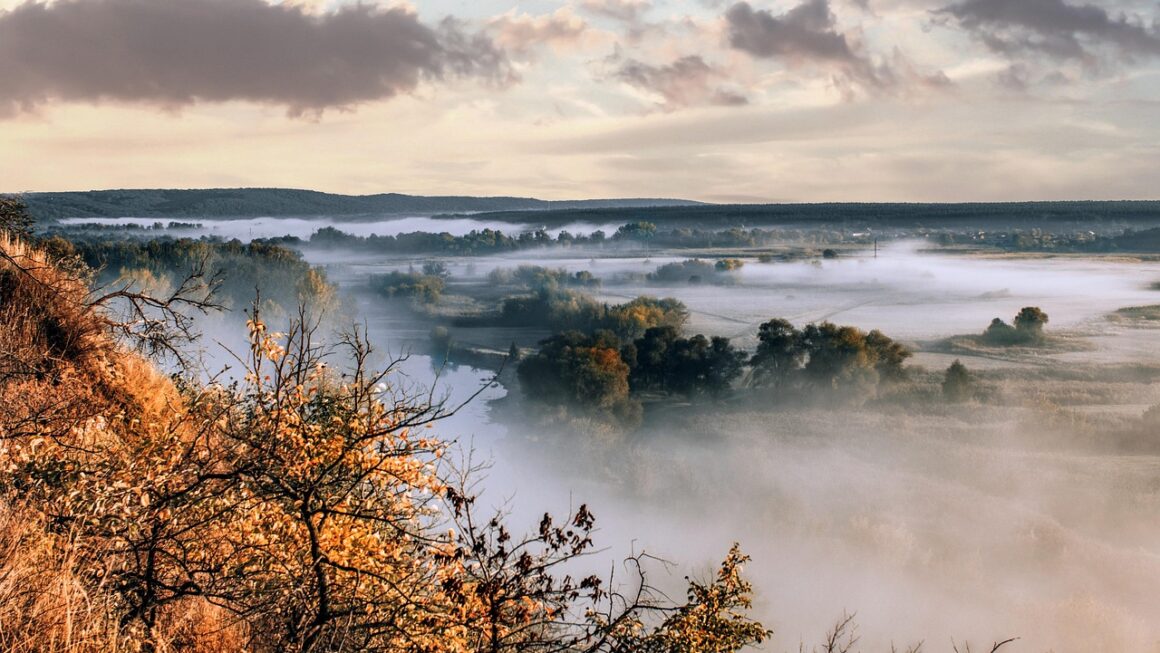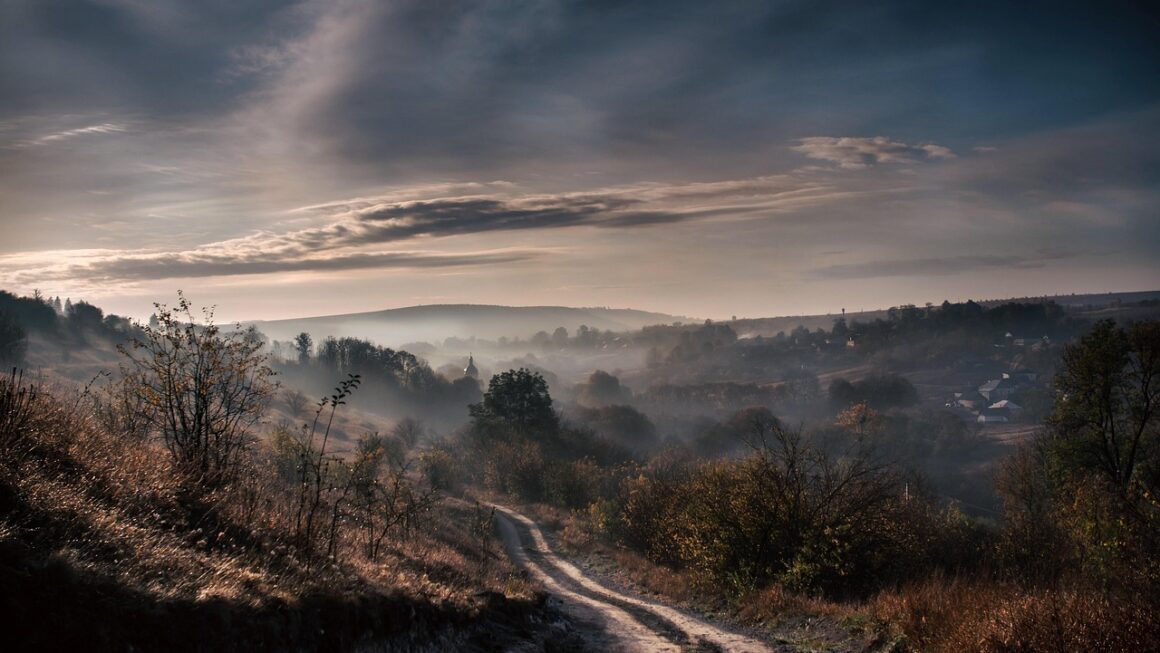
Spiritual journeys are more than just vacations; they are transformative experiences designed to nurture the soul, connect with inner peace, and foster personal growth. In a world that often feels chaotic and disconnected, the allure of spiritual retreats and journeys is growing. These trips offer a chance to step away from the everyday, reflect on life’s purpose, and discover a deeper sense of self. Are you ready to embark on a path of self-discovery?
The Rising Popularity of Spiritual Trips
Why People Seek Spiritual Experiences While Traveling
More and more people are opting for spiritual trips as a way to recharge and find meaning in their lives. Instead of simply sightseeing, they’re looking for something deeper – a connection to something greater than themselves. Here’s why:
- Stress Relief: Spiritual retreats offer a sanctuary from the stresses of modern life, providing practices like meditation and yoga to reduce anxiety.
- Self-Discovery: These journeys encourage introspection and self-reflection, allowing individuals to gain clarity on their values and life goals.
- Connection with Nature: Many spiritual destinations are located in serene natural settings, fostering a sense of connection with the earth and its healing energies.
- Meaning and Purpose: Spiritual trips help individuals connect with their inner selves and find meaning and purpose in their lives.
- Community Building: Often, these journeys bring together like-minded individuals, fostering a sense of community and shared experience.
Statistics and Trends in Spiritual Tourism
The spiritual tourism market is experiencing significant growth. According to recent reports, the wellness tourism sector, which includes spiritual retreats, is projected to reach over $1 trillion in the coming years. Specific trends include:
- Increased demand for mindfulness retreats: Meditation and mindfulness practices are gaining popularity as effective tools for stress management.
- Growing interest in indigenous healing practices: People are seeking out traditional healing methods from cultures around the world.
- Rise in eco-spiritual tourism: Travelers are looking for sustainable and responsible ways to connect with nature and explore their spirituality.
Planning Your Spiritual Trip
Setting Intentions and Goals
Before embarking on your spiritual journey, it’s essential to set clear intentions and goals. Ask yourself:
- What do I hope to gain from this experience?
- What aspects of my life do I want to improve or explore?
- What kind of environment will best support my spiritual growth?
For example, if you’re struggling with stress, your intention might be to learn effective relaxation techniques. If you’re seeking a deeper connection with nature, you might choose a retreat in a forest or mountains.
Choosing the Right Destination and Retreat
Selecting the right destination and retreat is crucial for a successful spiritual journey. Consider these factors:
- Type of Spiritual Practice: Do you prefer yoga, meditation, silent retreats, or a combination? Choose a retreat that aligns with your interests.
- Location and Environment: Do you prefer a peaceful natural setting, a bustling city with historical significance, or a remote spiritual center?
- Facilitators and Teachers: Research the qualifications and experience of the retreat leaders. Read reviews and testimonials from past participants.
- Budget and Duration: Spiritual trips can range from weekend getaways to month-long immersions. Set a budget and choose a duration that fits your schedule and financial resources.
Examples:
- India: Renowned for its yoga and meditation retreats in places like Rishikesh and Dharamsala.
- Bali: Offers a variety of spiritual retreats focused on healing, wellness, and connection with nature.
- Peru: Home to ancient Incan sites and shamanic traditions, ideal for those seeking transformative experiences.
- Sedona, Arizona (USA): Known for its powerful vortexes and spiritual energy, perfect for hiking and meditation.
Practical Considerations: Travel and Logistics
Once you’ve chosen your destination, plan the practical aspects of your trip:
- Book flights and accommodation in advance: Especially during peak seasons.
- Check visa requirements and health advisories: Ensure you have all the necessary documents and vaccinations.
- Pack appropriately: Consider the climate and activities you’ll be participating in. Comfortable clothing, walking shoes, and a journal are essential.
- Inform your family and friends: Let them know your itinerary and how to contact you in case of emergency.
- Purchase travel insurance: To protect yourself against unexpected events.
Popular Types of Spiritual Journeys
Yoga and Meditation Retreats
These retreats focus on physical, mental, and spiritual well-being through yoga and meditation practices.
- Benefits: Reduced stress, improved flexibility, enhanced mindfulness, and a deeper connection with your body and mind.
- Example: A week-long yoga retreat in Costa Rica, combining daily yoga classes, meditation sessions, and nature walks.
Silent Retreats
Silent retreats offer a unique opportunity to disconnect from distractions and turn inward.
- Benefits: Increased self-awareness, improved concentration, emotional healing, and a profound sense of inner peace.
- Example: A ten-day Vipassana meditation retreat, involving silent meditation for several hours each day.
Pilgrimages to Sacred Sites
Pilgrimages involve traveling to sacred sites with religious or spiritual significance.
- Benefits: A deeper connection with your faith, a sense of belonging, and a transformative experience.
- Examples:
– The Camino de Santiago, Spain: A centuries-old pilgrimage route walked by thousands of people each year.
– Lumbini, Nepal: The birthplace of Buddha, a sacred site for Buddhists around the world.
– Mecca, Saudi Arabia: The holiest city in Islam, attracting millions of pilgrims each year.
Nature-Based Spiritual Journeys
These trips focus on connecting with nature and experiencing its healing power.
- Benefits: Reduced stress, improved mood, enhanced creativity, and a deeper appreciation for the natural world.
- Examples:
– Hiking the Appalachian Trail: A challenging but rewarding journey through the wilderness.
– Camping in a national park: Spending time in nature and disconnecting from technology.
– Visiting a botanical garden or nature reserve: Immersing yourself in the beauty of the plant kingdom.
Maximizing Your Spiritual Travel Experience
Embracing Mindfulness and Presence
To fully benefit from your spiritual journey, practice mindfulness and presence.
- Engage all your senses: Pay attention to the sights, sounds, smells, tastes, and textures around you.
- Practice gratitude: Take time each day to appreciate the good things in your life.
- Disconnect from technology: Limit your use of electronic devices to be fully present in the moment.
Engaging in Reflection and Journaling
Reflection and journaling are powerful tools for self-discovery.
- Write about your experiences: Record your thoughts, feelings, and insights.
- Reflect on your intentions and goals: Assess your progress and make adjustments as needed.
- Identify patterns and insights: Look for recurring themes in your journal entries.
Integrating Spiritual Practices into Daily Life
The true test of a spiritual journey is how well you integrate what you’ve learned into your daily life.
- Establish a daily practice: Incorporate yoga, meditation, or other spiritual practices into your routine.
- Stay connected with your community: Maintain relationships with like-minded individuals.
- Continue learning and growing: Read books, attend workshops, and seek out new experiences.
Conclusion
Spiritual trips offer a unique opportunity for personal growth, self-discovery, and connection with something greater than yourself. By setting clear intentions, choosing the right destination, and embracing mindfulness, you can maximize the benefits of your journey and integrate spiritual practices into your daily life. Whether you’re seeking stress relief, self-awareness, or a deeper connection with nature, a spiritual trip can be a transformative experience. Embark on your path of self-discovery today and unlock a new sense of purpose and fulfillment.