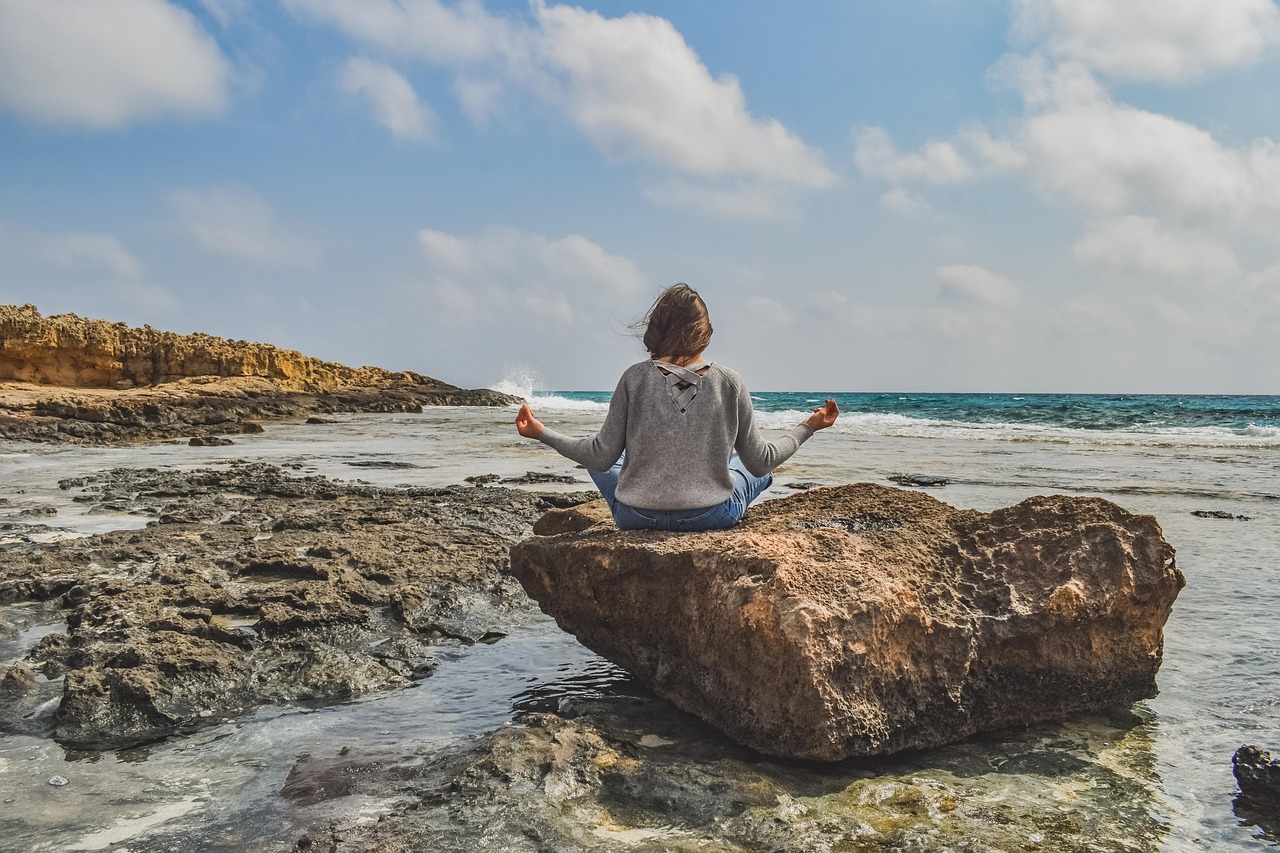
Imagine a life where the constant chatter in your mind quiets, replaced by a sense of calm and clarity. A life where stressful situations don’t trigger immediate panic but instead offer an opportunity for thoughtful response. This isn’t a pipe dream; it’s the potential reality unlocked through peaceful mind training. This guide explores the principles and practices to cultivate a more peaceful and resilient inner world.
Understanding the Need for Peaceful Mind Training
The Modern Mental Landscape
Our modern lives are bombarded with information, demands, and stressors. From social media notifications to work deadlines, the constant influx can overwhelm our minds, leading to anxiety, stress, and a general sense of unease. Studies show that chronic stress is linked to various health problems, including heart disease, depression, and weakened immunity. Peaceful mind training offers a vital countermeasure.
- Statistics: According to the American Psychological Association, stress levels in the US have consistently remained high for years.
- Impact of Stress: Constant stress negatively affects cognitive functions, emotional regulation, and physical health.
- The Cycle of Anxiety: Unaddressed stress can spiral into anxiety disorders.
What is Peaceful Mind Training?
Peaceful mind training encompasses a range of techniques and practices aimed at cultivating inner peace, reducing stress, and improving mental well-being. It’s not about eliminating thoughts or emotions but rather about changing our relationship with them. We learn to observe our thoughts without judgment, allowing us to respond with clarity and compassion instead of reactivity.
- Key Principles: Mindfulness, meditation, cognitive restructuring, and emotional regulation.
- Goal: To develop a calm, focused, and resilient mind.
- Focus: Shifting from reactivity to response, and cultivating self-awareness.
Core Techniques for Cultivating a Peaceful Mind
Mindfulness Meditation
Mindfulness meditation is a powerful tool for cultivating present moment awareness. It involves focusing your attention on your breath, body sensations, or other sensory experiences without judgment. When your mind wanders (and it will!), gently redirect your attention back to your chosen focus.
- How to Practice: Find a quiet space, sit comfortably, close your eyes (or lower your gaze), and focus on your breath. Notice the sensation of the air entering and leaving your body.
- Practical Example: A 5-minute mindful breathing exercise can be a beneficial start to your day, setting a calm tone.
- Benefits: Reduced stress, improved focus, and increased self-awareness. Research suggests that regular mindfulness practice can actually alter brain structure, increasing grey matter in areas associated with attention and emotional regulation.
Cognitive Restructuring
Cognitive restructuring involves identifying and challenging negative or unhelpful thought patterns. Our thoughts directly influence our feelings and behaviors. By learning to recognize and reframe negative thoughts, we can change our emotional responses.
- Identifying Negative Thoughts: Pay attention to your inner dialogue. Are you frequently thinking critical, self-defeating, or pessimistic thoughts?
- Challenging Negative Thoughts: Ask yourself: “Is this thought based on fact or opinion?” “Is this thought helpful or harmful?” “What evidence supports this thought?” “What evidence contradicts this thought?”
- Reframing Negative Thoughts: Replace negative thoughts with more balanced and realistic ones. For example, instead of thinking “I’m going to fail,” try “I’m going to prepare as best I can, and I’ll learn from the experience regardless of the outcome.”
- Example: If you think, “I always mess things up,” ask yourself, “Is that always true? Can I think of times when I succeeded?”
Emotional Regulation Strategies
Emotional regulation involves learning to manage and cope with your emotions in a healthy way. It’s about recognizing your emotions, understanding their triggers, and developing strategies for responding effectively.
- Emotion Identification: Learning to name your emotions accurately. Using a “feeling wheel” can be helpful.
- Acceptance and Non-Judgment: Acknowledge your emotions without judging them as “good” or “bad.” All emotions serve a purpose.
- Coping Strategies: Develop healthy coping mechanisms for managing difficult emotions, such as exercise, spending time in nature, creative expression, or talking to a trusted friend or therapist.
- Grounding Techniques: When feeling overwhelmed, grounding techniques can help you reconnect with the present moment. These might include focusing on your senses (e.g., naming five things you can see, four things you can touch, three things you can hear, two things you can smell, and one thing you can taste) or practicing deep breathing.
Integrating Peaceful Mind Training into Daily Life
Setting Intentions and Creating Habits
The key to successful peaceful mind training is consistency. Setting intentions and creating habits can help you integrate these practices into your daily life.
- Start Small: Begin with just a few minutes of meditation or mindfulness practice each day and gradually increase the duration as you become more comfortable.
- Schedule Time: Treat your peaceful mind training like any other important appointment. Schedule time in your calendar and stick to it.
- Create a Routine: Link your practice to an existing habit, such as meditating after brushing your teeth or practicing mindful breathing before starting work.
- Reminders: Use alarms, sticky notes, or apps to remind yourself to practice throughout the day.
- Example: “After I make my morning coffee, I will meditate for 5 minutes.”
Utilizing Technology for Mental Wellness
Technology can be a double-edged sword when it comes to mental well-being. While excessive screen time and social media use can contribute to stress and anxiety, technology can also be a valuable tool for peaceful mind training.
- Mindfulness Apps: Apps like Headspace, Calm, and Insight Timer offer guided meditations, sleep stories, and other resources for cultivating mindfulness.
- Meditation Trackers: Track your progress and stay motivated with meditation trackers that monitor your practice time and streaks.
- Digital Journals: Use digital journals to record your thoughts, feelings, and experiences.
- Example: Using a sleep app with calming sounds to improve sleep quality.
Seeking Support and Guidance
Peaceful mind training is a journey, and it’s okay to seek support and guidance along the way. Connecting with others who are also committed to cultivating inner peace can be incredibly beneficial.
- Join a Meditation Group: Find a local meditation group or online community where you can connect with others and share your experiences.
- Work with a Therapist: A therapist can provide personalized guidance and support for addressing underlying issues that may be contributing to stress and anxiety.
- Attend Workshops and Retreats: Workshops and retreats offer opportunities to deepen your practice and learn from experienced teachers.
- Share with Friends and Family: Talking about your experiences with loved ones can help you feel more supported and connected.
Conclusion
Peaceful mind training is an ongoing journey, not a destination. By incorporating these techniques and practices into your daily life, you can cultivate a more resilient, focused, and peaceful mind. Remember to be patient with yourself, practice consistently, and seek support when needed. The benefits of a peaceful mind extend far beyond stress reduction, impacting your relationships, productivity, and overall well-being. Embrace the journey and discover the transformative power of inner peace.