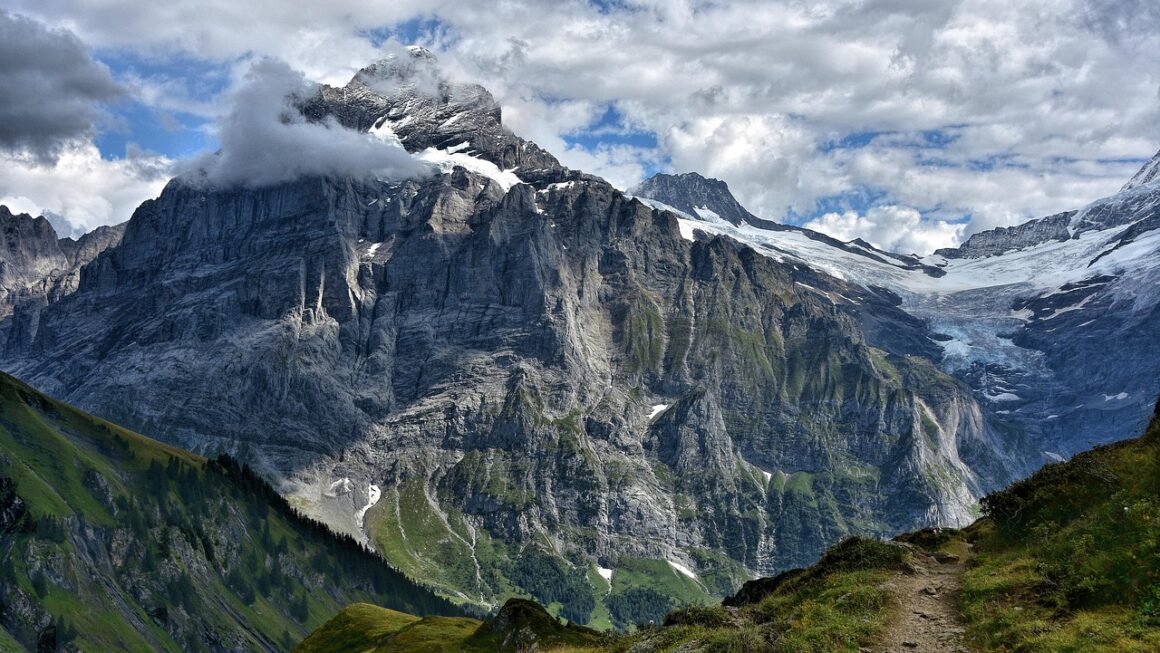
Adventure awaits! Are you tired of the same old routine and yearning for something more? Do you crave the thrill of the unknown and the satisfaction of pushing your limits? Adventure trips are the perfect antidote to boredom, offering unforgettable experiences and a chance to reconnect with yourself and the natural world. From scaling majestic mountains to diving into vibrant coral reefs, there’s an adventure waiting for everyone. Get ready to discover the exciting possibilities that lie beyond your comfort zone.
Why Choose an Adventure Trip?
Benefits of Adventurous Travel
Adventure travel isn’t just about adrenaline rushes; it’s about personal growth, creating lasting memories, and experiencing the world in a unique and meaningful way. Consider these benefits:
- Physical Fitness: Many adventure activities, such as hiking, kayaking, and cycling, provide excellent cardiovascular exercise and build strength.
- Mental Well-being: Overcoming challenges and experiencing new environments can boost confidence, reduce stress, and improve your overall mood. Research shows that spending time in nature can lower cortisol levels and increase feelings of well-being.
- Cultural Immersion: Adventure trips often involve interacting with local communities and learning about different cultures in a more authentic way than traditional tourism.
- Personal Growth: Stepping outside your comfort zone forces you to adapt, learn new skills, and discover hidden strengths.
- Unforgettable Memories: Adventure trips create stories that you’ll cherish for a lifetime, filled with breathtaking landscapes, thrilling experiences, and new friendships.
Types of Adventure Trips
The definition of “adventure” is subjective, and the best trip for you will depend on your interests, fitness level, and budget. Here are a few popular options:
- Hiking and Trekking: Explore stunning mountain ranges, lush rainforests, or rugged coastlines on foot. Example: Hiking the Inca Trail to Machu Picchu in Peru or trekking through the Annapurna Circuit in Nepal.
- Water Sports: Dive into the depths of the ocean, paddle through serene lakes, or ride the waves on a surfboard. Example: Scuba diving in the Great Barrier Reef in Australia or kayaking through the fjords of Norway.
- Wildlife Safaris: Observe magnificent animals in their natural habitats, from the African savanna to the Amazon rainforest. Example: A safari in Tanzania’s Serengeti National Park to witness the Great Migration.
- Rock Climbing and Mountaineering: Challenge yourself physically and mentally as you scale towering cliffs and mountains. Example: Rock climbing in Yosemite National Park in California or mountaineering on Mount Kilimanjaro in Tanzania.
- Cycling Tours: Explore new regions at your own pace, enjoying the scenery and local culture along the way. Example: Cycling through the vineyards of Tuscany in Italy or exploring the backroads of Vietnam.
Planning Your Adventure: Essential Steps
Choosing the Right Destination
Selecting the perfect destination is crucial for a successful adventure trip. Consider these factors:
- Your Interests: What activities do you enjoy? Do you prefer mountains, beaches, forests, or deserts?
- Your Fitness Level: Be realistic about your physical abilities and choose a trip that matches your current fitness level. Start with shorter hikes or easier climbs if you’re new to adventure travel.
- Your Budget: Adventure trips can range from budget-friendly camping trips to luxury expeditions. Set a budget and stick to it.
- Time of Year: Research the best time to visit your chosen destination to avoid adverse weather conditions. For example, avoid hurricane season in the Caribbean or monsoon season in Southeast Asia.
- Reviews and Recommendations: Read reviews from other travelers and ask for recommendations from friends or travel experts.
Preparing Physically and Mentally
Proper preparation is key to enjoying your adventure and staying safe.
- Physical Training: Start training several weeks or months before your trip, focusing on activities that mimic the demands of your chosen adventure. For example, if you’re planning a hiking trip, practice hiking with a weighted backpack on varied terrain.
- Gear and Equipment: Invest in high-quality gear that is appropriate for your chosen activities. This might include hiking boots, waterproof jackets, backpacks, and camping equipment. Test your gear before you leave to ensure it fits properly and is in good working order.
- Travel Insurance: Purchase comprehensive travel insurance that covers medical emergencies, trip cancellations, and lost or stolen belongings. Check the policy carefully to ensure it covers the specific activities you plan to participate in.
- Mental Preparation: Be prepared for challenges and setbacks. Adventure travel can be unpredictable, so it’s important to be flexible, patient, and resilient.
- Learn Basic Skills: Consider taking a wilderness first aid course or learning basic navigation skills before your trip.
Safety First: Minimizing Risks
Essential Safety Precautions
Adventure travel involves inherent risks, but you can minimize them by taking the necessary precautions:
- Inform Someone of Your Plans: Always let someone know your itinerary and expected return date.
- Travel in Groups: When possible, travel with a group or hire a local guide.
- Stay Hydrated and Eat Well: Drink plenty of water and eat nutritious meals to maintain your energy levels.
- Follow Local Advice: Heed the advice of local guides and park rangers. They are familiar with the area and can provide valuable information about potential hazards.
- Be Aware of Your Surroundings: Pay attention to your surroundings and be alert for potential dangers, such as wildlife, weather changes, or uneven terrain.
- Pack a First-Aid Kit: Carry a well-stocked first-aid kit and know how to use it.
Dealing with Emergencies
Despite your best efforts, emergencies can still occur. Here’s what to do:
- Stay Calm: Panic can cloud your judgment and make the situation worse.
- Assess the Situation: Evaluate the extent of the emergency and identify any immediate threats.
- Administer First Aid: Provide first aid to anyone who is injured.
- Signal for Help: Use a whistle, mirror, or brightly colored clothing to signal for help. If you have a satellite phone or personal locator beacon, use it to contact emergency services.
- Stay Put: If you are lost or injured, stay in one place and wait for rescue.
Sustainable Adventure Travel
Minimizing Environmental Impact
As adventure travelers, we have a responsibility to protect the environments we explore. Here are some ways to minimize your environmental impact:
- Leave No Trace: Pack out everything you pack in and dispose of waste properly.
- Stay on Marked Trails: Avoid straying from designated trails to protect fragile ecosystems.
- Respect Wildlife: Observe animals from a safe distance and avoid feeding them.
- Support Local Businesses: Choose locally owned accommodations and tour operators.
- Conserve Water and Energy: Use water and electricity sparingly.
- Reduce Plastic Consumption: Bring a reusable water bottle and avoid single-use plastics.
Supporting Local Communities
Adventure travel can be a powerful tool for economic development in local communities. Here’s how you can support them:
- Hire Local Guides: Local guides have in-depth knowledge of the area and can provide valuable insights into the local culture and environment.
- Buy Local Products: Purchase souvenirs and other goods from local artisans and businesses.
- Eat at Local Restaurants: Sample the local cuisine and support family-owned restaurants.
- Respect Local Customs: Be mindful of local customs and traditions.
Conclusion
Adventure trips offer a unique opportunity to challenge yourself, explore the world, and create lasting memories. By carefully planning your trip, preparing physically and mentally, prioritizing safety, and practicing sustainable travel, you can ensure a rewarding and unforgettable experience. So, pack your bags, step outside your comfort zone, and embark on the adventure of a lifetime! The world is waiting to be explored.