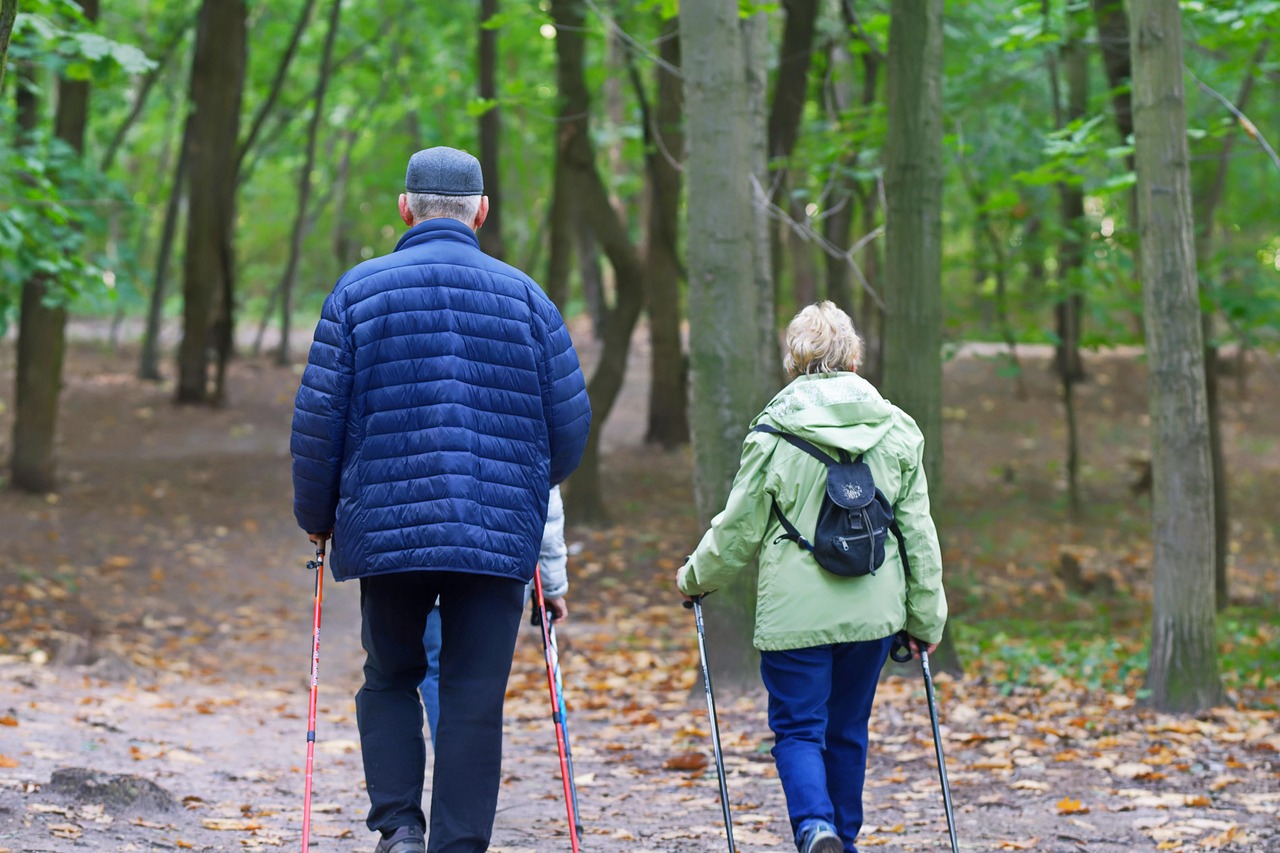
As our loved ones age, ensuring their safety and well-being becomes a top priority. Navigating daily life can present unique challenges for seniors, making it essential to provide them with the right tools and support. From fall prevention to emergency assistance, the market offers a wide range of innovative solutions designed to enhance senior safety and promote independent living. This article will delve into some of the most effective senior safety tools available, offering practical insights and guidance to help you make informed decisions.
Fall Prevention Tools
Falls are a leading cause of injury among seniors, often resulting in hospitalizations and reduced quality of life. Implementing fall prevention strategies is crucial for maintaining senior independence and safety.
Home Modifications
Modifying the home environment can significantly reduce the risk of falls.
- Grab bars: Install grab bars in bathrooms, especially near toilets and in showers, to provide support and stability.
- Ramps: Replace steps with ramps for easier access to entrances and different levels of the home.
- Improved lighting: Ensure adequate lighting throughout the home, especially in hallways, stairwells, and bathrooms.
- Non-slip flooring: Replace slippery floors with non-slip materials or add non-slip mats to high-risk areas.
- Decluttering: Remove tripping hazards like loose rugs, cords, and clutter from walkways.
Example: Installing a grab bar in the shower can cost between $50 and $150, a worthwhile investment for enhanced safety. According to the CDC, modifying homes for safety can reduce fall risk by 40%.
Assistive Devices
Assistive devices can provide seniors with the support they need to maintain balance and mobility.
- Walkers: Walkers offer stability and support for individuals with balance issues. Choose a walker with adjustable height and comfortable handgrips.
- Canes: Canes provide additional support for walking and can help redistribute weight. Consider a quad cane for increased stability.
- Adaptive footwear: Shoes with good traction and support can help prevent slips and falls. Avoid wearing loose-fitting slippers or walking barefoot.
Example: Physical therapists can assess a senior’s needs and recommend the most appropriate assistive device. Regular exercise and balance training can also improve stability and reduce fall risk.
Emergency Assistance Systems
Emergency assistance systems provide seniors with a quick and easy way to call for help in case of a fall, medical emergency, or other urgent situation.
Medical Alert Systems
Medical alert systems typically consist of a wearable device and a base station that connects to a monitoring center.
- Wearable devices: These devices usually take the form of a pendant or wristband with a button that, when pressed, connects the user to a trained operator.
- GPS tracking: Some systems include GPS tracking, allowing emergency responders to locate the user even if they are unable to communicate.
- Fall detection: Certain medical alert systems are equipped with fall detection technology, which automatically alerts the monitoring center if a fall is detected.
Example: Companies like Life Alert and Medical Guardian offer various medical alert systems with different features and pricing plans. A monthly subscription typically ranges from $20 to $50.
Mobile Emergency Apps
Mobile emergency apps can turn a smartphone into a personal safety device.
- Emergency contacts: Users can program emergency contacts into the app, which can be automatically notified in case of an emergency.
- Location sharing: Apps can share the user’s location with emergency contacts or first responders.
- SOS button: Many apps feature an SOS button that can be quickly activated to call for help.
Example: Apps like Noonlight and SafeTrek offer 24/7 monitoring and emergency dispatch services. These apps can be particularly useful for seniors who are active and mobile.
Medication Management Tools
Proper medication management is essential for senior safety and well-being. Forgetting to take medication or taking the wrong dosage can have serious consequences.
Medication Reminders
Medication reminders can help seniors stay on track with their medication schedules.
- Pill organizers: Pill organizers with separate compartments for each day of the week can help seniors sort and track their medications.
- Automated pill dispensers: These devices dispense medications at pre-set times and can provide alerts when it’s time to take a dose.
- Smartphone apps: Several smartphone apps offer medication reminders and tracking features.
Example: The Philips Lifeline medication dispensing service is a popular option that combines automated dispensing with emergency assistance.
Medication Tracking
Keeping track of medications and dosages can help seniors avoid errors and potential drug interactions.
- Medication lists: Maintain an updated list of all medications, including dosages and frequencies.
- Pharmacy services: Many pharmacies offer medication synchronization services, which allow seniors to pick up all their prescriptions at the same time each month.
- Regular reviews: Schedule regular medication reviews with a healthcare provider to identify potential problems and ensure that medications are still appropriate.
Example: Sharing a medication list with family members or caregivers can help ensure that everyone is aware of the senior’s medication regimen.
Monitoring and Communication Devices
Staying connected with loved ones and caregivers is crucial for senior safety and well-being.
Smart Home Technology
Smart home devices can provide remote monitoring and communication capabilities.
- Smart cameras: Install smart cameras to monitor activity inside and outside the home.
- Voice assistants: Voice assistants like Amazon Echo and Google Home can be used to make calls, set reminders, and control smart home devices.
- Smart locks: Smart locks allow caregivers to remotely unlock the door in case of an emergency.
Example: A smart camera can alert caregivers if a senior falls or wanders outside the home. A voice assistant can remind a senior to take their medication or schedule appointments.
Communication Devices
Communication devices can help seniors stay in touch with loved ones and access emergency assistance.
- Easy-to-use cell phones: Cell phones with large buttons and simplified interfaces can make it easier for seniors to make calls and send messages.
- Video calling devices: Video calling devices like the Amazon Echo Show and Facebook Portal allow seniors to easily connect with family members and friends.
- Personal emergency response systems (PERS): Mobile PERS devices use cellular connections to provide emergency assistance anywhere with cell service.
Example: A simple cell phone with programmed contact numbers can provide a senior with a lifeline to family and friends.
Conclusion
Ensuring senior safety requires a multifaceted approach that includes fall prevention, emergency assistance, medication management, and effective communication. By implementing the appropriate tools and strategies, we can help seniors maintain their independence, dignity, and quality of life. Carefully consider the individual needs and preferences of your loved ones when selecting senior safety tools, and consult with healthcare professionals to develop a comprehensive safety plan. Investing in senior safety is an investment in peace of mind and the well-being of those we care about most.