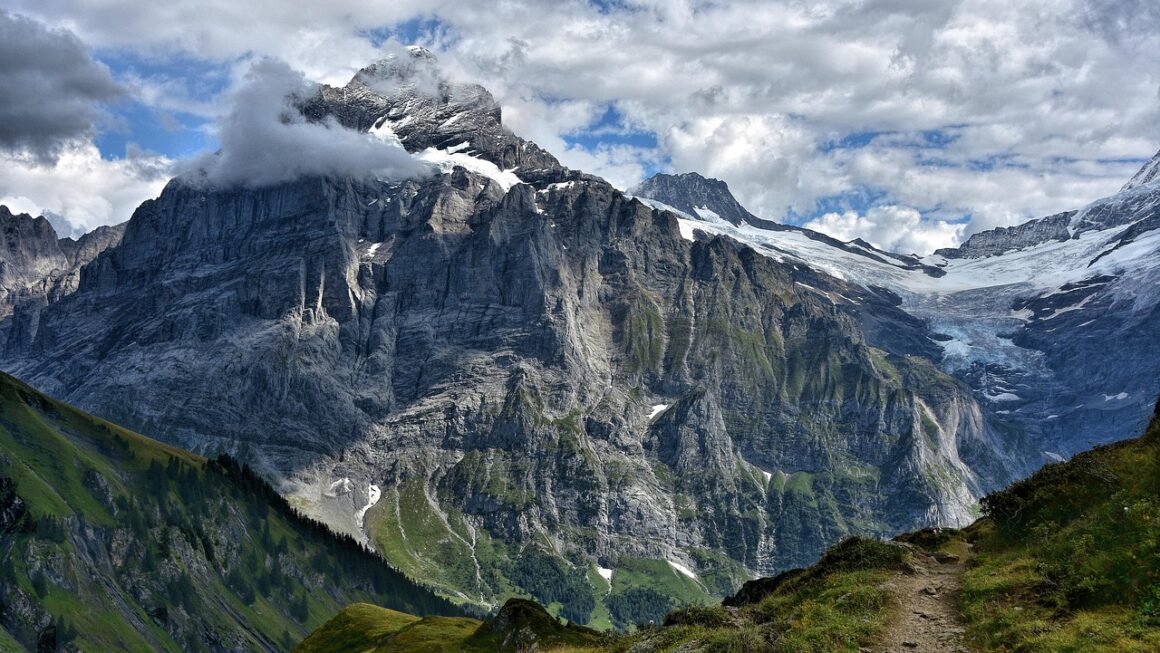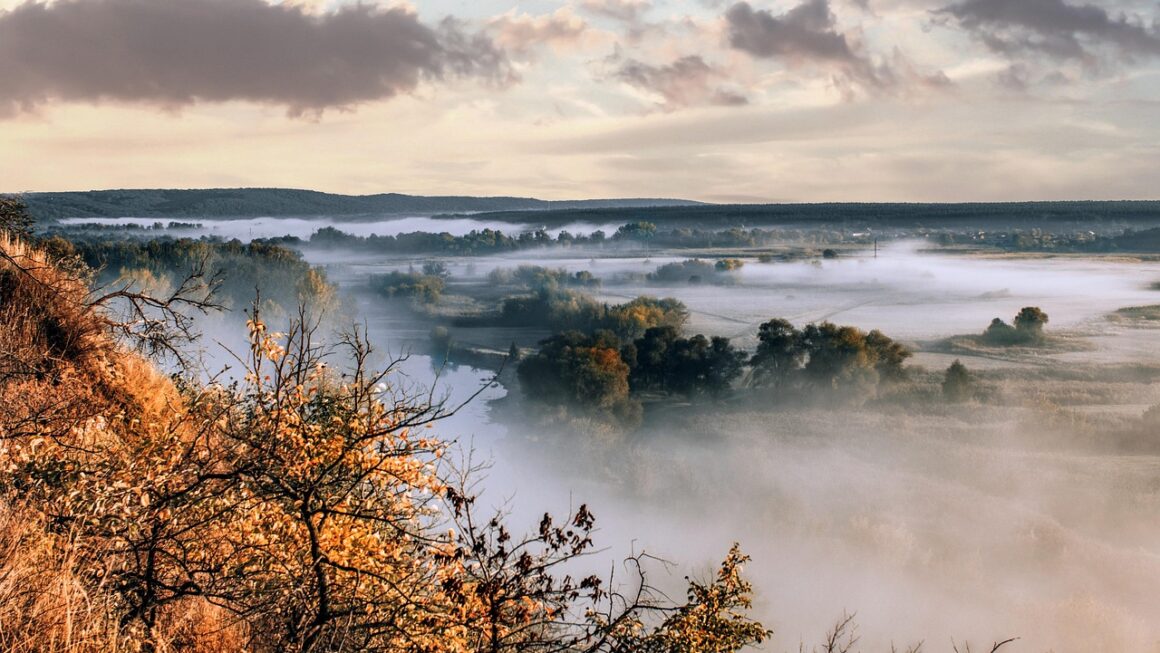
Embark on a journey of a lifetime! Adventure trips offer an unparalleled opportunity to break free from the ordinary, challenge yourself, and explore the most breathtaking corners of the world. Whether you’re an adrenaline junkie seeking heart-pounding thrills or a nature enthusiast yearning for immersive experiences, there’s an adventure waiting just for you. This blog post dives deep into the world of adventure travel, covering everything from choosing the right trip to preparing for the unexpected.
Understanding Adventure Travel
What Qualifies as Adventure Travel?
Adventure travel isn’t just about ticking off a bucket list item; it’s about experiencing the world in a meaningful and transformative way. It typically involves:
- Physical activity beyond your everyday routine.
- Immersion in nature or unique cultural environments.
- An element of risk or challenge (managed, of course!).
- Opportunities for personal growth and self-discovery.
Examples of adventure travel include: trekking in the Himalayas, white-water rafting in Costa Rica, exploring the Galapagos Islands, or even a multi-day cycling tour through Tuscany. The key is that it involves an active, engaging, and often challenging experience.
Benefits of Adventure Travel
- Improved Physical and Mental Health: Adventure trips push your physical limits, leading to increased fitness. They also provide a mental reset, reducing stress and improving overall well-being. Studies show that spending time in nature can lower cortisol levels and boost mood.
- Increased Confidence and Resilience: Overcoming challenges in unfamiliar environments builds confidence and resilience. Navigating a difficult hike or mastering a new skill like rock climbing can translate into greater self-assurance in other areas of life.
- Deeper Connection with Nature: Adventure travel allows you to appreciate the beauty and fragility of the natural world. Whether it’s witnessing a breathtaking sunset over the Grand Canyon or observing wildlife in their natural habitat, these experiences foster a sense of stewardship and environmental awareness.
- Cultural Immersion: Many adventure trips involve interacting with local communities and learning about different cultures. This can broaden your perspective and lead to a greater understanding of the world.
- Creating Lasting Memories: Adventure travel creates unique and unforgettable memories that you’ll cherish for a lifetime. Sharing these experiences with others can also strengthen bonds and create lasting friendships.
Planning Your Adventure Trip
Identifying Your Interests and Limits
Before booking any trip, honestly assess your interests and physical capabilities. Ask yourself:
- What activities do you enjoy? Hiking, kayaking, climbing, cycling, wildlife viewing?
- What is your current fitness level? Be realistic about your abilities.
- What is your comfort zone? Are you comfortable with heights, confined spaces, or extreme weather conditions?
- What is your budget? Adventure trips can range from budget-friendly to luxurious.
- How much time do you have? Consider the length of the trip and travel time to and from your destination.
This self-assessment will help you narrow down your options and choose a trip that is both enjoyable and safe.
Researching Destinations and Tour Operators
- Read Reviews and Testimonials: Look for reputable tour operators with positive reviews and testimonials from previous travelers. Sites like TripAdvisor, Trustpilot, and specialized adventure travel forums can be valuable resources.
- Check Credentials and Safety Records: Ensure that the tour operator is licensed and insured, and that they have a proven track record of safety. Ask about their safety protocols, emergency procedures, and the qualifications of their guides.
- Compare Itineraries and Inclusions: Carefully review the itinerary to ensure that it aligns with your interests and abilities. Understand what is included in the price (e.g., meals, accommodation, equipment) and what is not.
- Consider Sustainable Tourism Practices: Choose tour operators that are committed to responsible tourism practices. This includes minimizing environmental impact, supporting local communities, and respecting cultural traditions.
Example: Consider a trekking tour in Nepal. A reputable tour operator will have experienced guides, porters, and a comprehensive itinerary that includes acclimatization days to prevent altitude sickness. They will also prioritize sustainable practices, such as using local lodges and supporting local businesses.
Setting a Budget
Adventure travel budgets can vary widely depending on the destination, duration, and level of comfort. Consider these factors:
- Transportation: Flights, trains, buses, local transport.
- Accommodation: Hotels, hostels, campsites, guesthouses.
- Meals: Restaurant meals, groceries, snacks.
- Activities: Guided tours, permits, equipment rentals.
- Travel Insurance: Comprehensive coverage is essential.
- Visa and Entry Fees: Research requirements for your destination.
- Miscellaneous Expenses: Souvenirs, tips, laundry, unexpected costs.
It’s always a good idea to create a detailed budget and pad it with a contingency fund for unexpected expenses.
Preparing for Your Adventure
Physical Training
Depending on the type of adventure you’ve chosen, physical preparation is key.
- Cardiovascular Training: Running, swimming, cycling, hiking.
- Strength Training: Focus on exercises that build strength in your legs, core, and upper body.
- Endurance Training: Gradually increase the duration and intensity of your workouts to build endurance.
- Altitude Training: If you’re traveling to high altitudes, consider spending time at higher elevations before your trip to acclimatize.
- Practice with Gear: If your adventure involves specific equipment (e.g., hiking boots, backpacks), practice using it before your trip to ensure it’s comfortable and fits properly.
Start your training well in advance of your trip and consult with a doctor or personal trainer if you have any concerns.
Gear and Packing Essentials
Packing for an adventure trip requires careful consideration. Focus on lightweight, durable, and versatile items.
- Clothing: Moisture-wicking base layers, waterproof jacket and pants, fleece or down jacket, comfortable hiking pants, sturdy hiking boots, socks.
- Gear: Backpack, headlamp, water bottle or hydration pack, sunscreen, insect repellent, first-aid kit, map and compass (or GPS device).
- Personal Items: Toiletries, medications, passport, visa, travel documents, phone, camera, charger.
Example: When hiking in the Andes, layering is crucial. Start with a moisture-wicking base layer, add a fleece jacket for warmth, and top it off with a waterproof shell in case of rain. Invest in a good pair of hiking boots that provide ankle support and have been broken in before the trip.
Safety Precautions
Safety should always be a top priority on any adventure trip.
- Travel Insurance: Ensure that your travel insurance covers the activities you’ll be participating in and provides adequate medical coverage, emergency evacuation, and trip cancellation protection.
- Medical Consultation: Consult with your doctor before your trip to discuss any necessary vaccinations, medications, or health precautions.
- Emergency Communication: Carry a satellite phone or personal locator beacon (PLB) if you’re traveling to remote areas with limited cell phone coverage.
- Inform Someone of Your Itinerary: Leave a copy of your itinerary with a trusted friend or family member and check in regularly.
- Listen to Your Guide: Follow the instructions and advice of your guides, and be aware of potential hazards.
Types of Adventure Trips
Trekking and Hiking
Trekking and hiking involve exploring natural landscapes on foot. From leisurely day hikes to multi-day treks, there’s a trail for every fitness level.
- Example Destinations: Himalayas (Nepal, India), Andes (Peru, Chile), Alps (Europe), Grand Canyon (USA).
- Key Considerations: Altitude, weather conditions, trail difficulty, permits.
Water Sports
Water sports offer a thrilling way to experience the ocean, rivers, and lakes.
- Examples: White-water rafting, kayaking, surfing, scuba diving, snorkeling.
- Key Considerations: Swimming ability, safety certifications, water conditions.
Wildlife Safaris
Wildlife safaris provide the opportunity to observe animals in their natural habitat.
- Example Destinations: Serengeti (Tanzania), Amazon Rainforest (Brazil), Galapagos Islands (Ecuador), Yellowstone National Park (USA).
- Key Considerations: Choosing a reputable tour operator, respecting wildlife, understanding conservation efforts.
Climbing and Mountaineering
Climbing and mountaineering involve ascending mountains or rock formations.
- Example Destinations: Mount Everest (Nepal), Yosemite National Park (USA), Dolomites (Italy).
- Key Considerations: Physical fitness, technical skills, weather conditions, altitude.
Conclusion
Adventure travel offers a transformative experience that can enrich your life in countless ways. By carefully planning your trip, preparing physically and mentally, and prioritizing safety, you can embark on an unforgettable journey of self-discovery and exploration. So, pack your bags, step outside your comfort zone, and embrace the thrill of adventure!