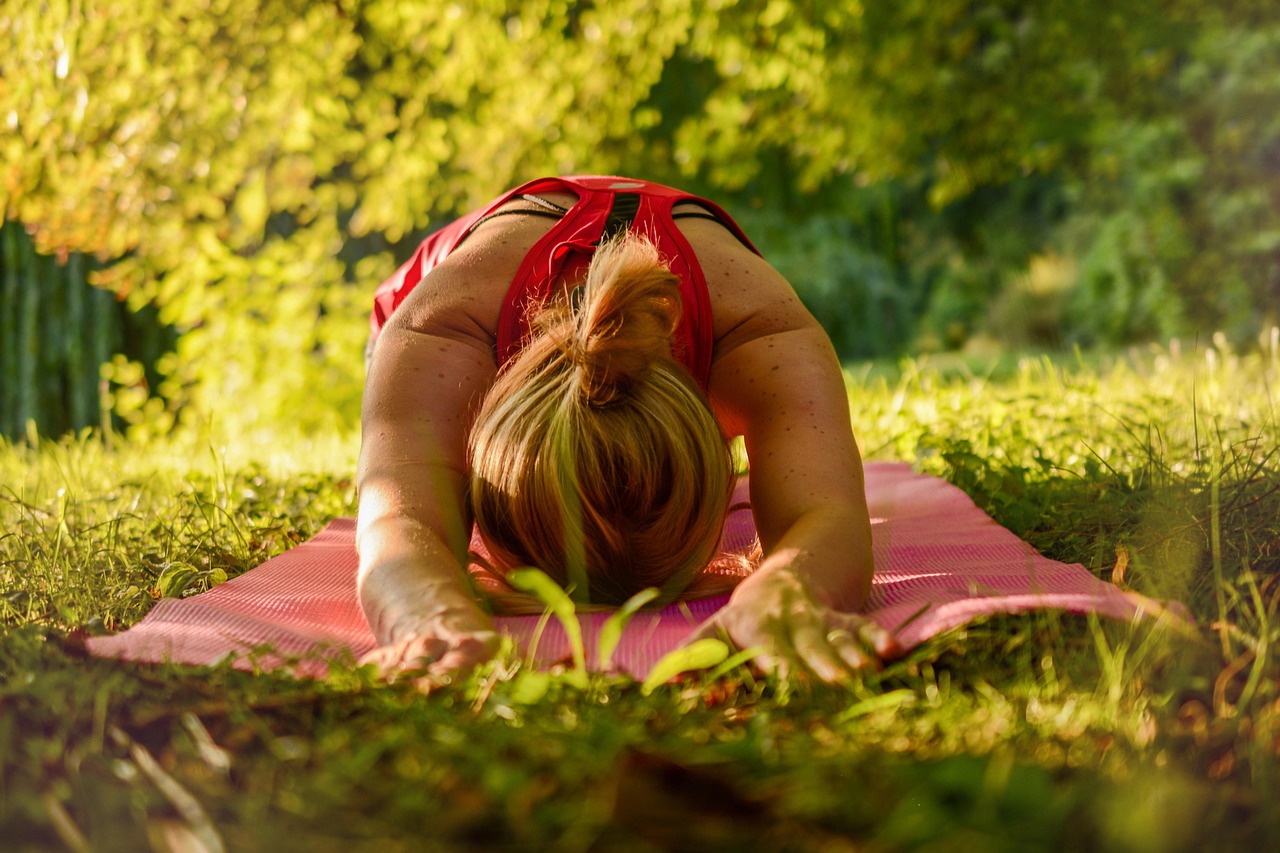
Breathing. It’s something we do unconsciously, all day, every day. But what if we could intentionally harness the power of our breath to reduce stress, improve focus, and even boost our overall well-being? Slow breathing exercises, a simple yet profound practice, offer a gateway to unlocking this potential. This blog post will explore the science, techniques, and benefits of incorporating slow breathing into your daily routine.
The Science Behind Slow Breathing
The Autonomic Nervous System and Breathing
Our breath is intrinsically linked to our autonomic nervous system (ANS), which controls involuntary functions like heart rate, digestion, and breathing. The ANS has two main branches: the sympathetic nervous system (SNS), responsible for the “fight-or-flight” response, and the parasympathetic nervous system (PNS), often referred to as the “rest-and-digest” system. When we experience stress, the SNS kicks into high gear, leading to rapid, shallow breathing. Conversely, slow, deep breathing stimulates the PNS, promoting relaxation and reducing stress hormones like cortisol.
How Slow Breathing Affects Physiology
Slow breathing exercises have a measurable impact on various physiological parameters:
- Heart Rate Variability (HRV): Increases HRV, an indicator of the body’s ability to adapt to stress. Higher HRV is associated with better overall health and resilience.
- Blood Pressure: Can help lower blood pressure over time, particularly beneficial for individuals with hypertension. Studies have shown consistent practice can lead to significant reductions.
- Brainwaves: Shifts brainwave activity from higher frequency beta waves (associated with alertness and anxiety) to lower frequency alpha and theta waves (associated with relaxation and meditation).
- Oxygenation: Improves oxygenation of the blood and tissues, enhancing energy levels and cognitive function.
- Nitric Oxide Release: Stimulates the release of nitric oxide (NO) in the nasal passages, which can improve blood flow and vasodilation.
Types of Slow Breathing Exercises
Diaphragmatic Breathing (Belly Breathing)
Diaphragmatic breathing, also known as belly breathing, focuses on using the diaphragm, a large muscle at the base of the lungs, to facilitate deeper and more efficient breaths.
- How to Practice: Lie on your back with your knees bent or sit comfortably. Place one hand on your chest and the other on your abdomen. Inhale slowly through your nose, allowing your abdomen to rise while keeping your chest relatively still. Exhale slowly through your mouth, feeling your abdomen fall.
- Benefits: Reduces stress, lowers heart rate, improves oxygenation, and strengthens the diaphragm muscle.
- Practical Tip: Aim for a 4-second inhale, a slight pause, and a 6-second exhale.
Box Breathing (Square Breathing)
Box breathing, also known as square breathing, is a simple yet powerful technique used to calm the nervous system and improve focus. It involves inhaling, holding, exhaling, and holding again, each for the same duration, creating a “box” rhythm.
- How to Practice: Sit comfortably with your back straight. Inhale slowly through your nose for a count of four. Hold your breath for a count of four. Exhale slowly through your mouth for a count of four. Hold your breath again for a count of four. Repeat this cycle for several minutes.
- Benefits: Reduces anxiety, improves focus, enhances mental clarity, and calms the mind.
- Practical Tip: Imagine tracing the outline of a box in your mind as you perform each step of the breathing cycle. Visualization can help maintain focus.
4-7-8 Breathing
The 4-7-8 breathing technique is a potent relaxation method developed by Dr. Andrew Weil. It involves a specific ratio of inhale, hold, and exhale to calm the mind and body.
- How to Practice: Sit comfortably with your back straight. Place the tip of your tongue against the ridge of tissue just behind your upper front teeth and keep it there throughout the exercise. Exhale completely through your mouth, making a “whoosh” sound. Close your mouth and inhale quietly through your nose for a count of four. Hold your breath for a count of seven. Exhale completely through your mouth, making a “whoosh” sound, for a count of eight. Repeat this cycle four times.
- Benefits: Reduces anxiety, promotes relaxation, improves sleep quality, and lowers blood pressure.
- Practical Tip: This technique is best practiced in a quiet environment. Start with four cycles and gradually increase the number as you become more comfortable. It’s not recommended to exceed eight cycles initially.
Benefits of Regular Slow Breathing Practice
Mental and Emotional Well-being
Consistent slow breathing practice can significantly improve mental and emotional well-being:
- Reduces anxiety and stress levels.
- Improves mood and promotes feelings of calmness.
- Enhances focus and concentration.
- Increases self-awareness and emotional regulation.
- Promotes better sleep quality by calming the nervous system before bed.
- Helps manage symptoms of depression and PTSD.
Physical Health Benefits
The physical benefits of slow breathing are equally impressive:
- Lowers blood pressure and improves cardiovascular health.
- Increases oxygenation of the blood and tissues.
- Reduces muscle tension and pain.
- Improves digestion and reduces bloating.
- Boosts the immune system by reducing stress hormones.
- Enhances athletic performance by improving breathing efficiency.
Incorporating Slow Breathing into Your Daily Routine
Practical Tips for Consistency
Making slow breathing a regular habit requires conscious effort. Here are some tips to help you integrate it into your daily routine:
- Set a Reminder: Use your phone or calendar to schedule short breathing sessions throughout the day.
- Anchor to Existing Habits: Pair your breathing practice with an existing habit, such as drinking your morning coffee or waiting in line.
- Start Small: Begin with just 5-10 minutes of practice per day and gradually increase the duration as you become more comfortable.
- Create a Dedicated Space: Designate a quiet and comfortable space in your home for your breathing practice.
- Use Guided Meditations: Explore guided breathing meditations on apps like Headspace, Calm, or Insight Timer to help you stay focused and motivated.
- Practice Before Bed: Practicing slow breathing before bed can help you relax and fall asleep more easily.
Examples of Daily Integration
- Morning Routine: Start your day with 5-10 minutes of diaphragmatic breathing to set a calm and focused tone.
- Work Breaks: Take short breaks throughout the workday to practice box breathing or 4-7-8 breathing to reduce stress and improve concentration.
- Commute: Use your commute time (if you’re not driving) to practice mindful breathing.
- Before Bed: Wind down your day with a longer slow breathing session to promote relaxation and improve sleep quality.
- During Stressful Situations: Use slow breathing as a tool to manage stress and anxiety in challenging situations. For example, before a presentation or during a difficult conversation.
Potential Challenges and Solutions
Common Difficulties
While slow breathing is generally safe and beneficial, some people may encounter challenges when starting:
- Feeling Lightheaded: This can occur if you are not used to breathing deeply. Start slowly and gradually increase the duration of your practice. If you feel lightheaded, stop and resume when you feel better.
- Difficulty Focusing: It’s common for your mind to wander during breathing exercises. Gently redirect your attention back to your breath each time you notice your mind drifting.
- Feeling Restless: Some individuals may feel restless or impatient during slow breathing. Experiment with different techniques and find one that resonates with you.
- Physical Discomfort: If you experience physical discomfort, such as pain in your chest or abdomen, stop and consult with a healthcare professional.
Troubleshooting Tips
- Adjust Your Posture: Ensure you are sitting or lying in a comfortable and supportive position.
- Modify the Breathing Ratio: If the recommended breathing ratios feel too challenging, adjust them to a more comfortable pace.
- Seek Guidance: Consider working with a qualified breathing therapist or yoga instructor to learn proper techniques and address any specific concerns.
- Be Patient: It takes time and practice to master slow breathing techniques. Be patient with yourself and celebrate your progress along the way.
Conclusion
Slow breathing exercises offer a powerful and accessible tool for enhancing both mental and physical well-being. By understanding the science behind these techniques and incorporating them into your daily routine, you can unlock a greater sense of calm, focus, and overall health. Start with simple techniques like diaphragmatic breathing or box breathing, and gradually explore other methods to find what works best for you. Remember, consistency is key to reaping the full benefits of this transformative practice. Take a deep breath, and embark on your journey to a calmer, healthier, and more balanced life.