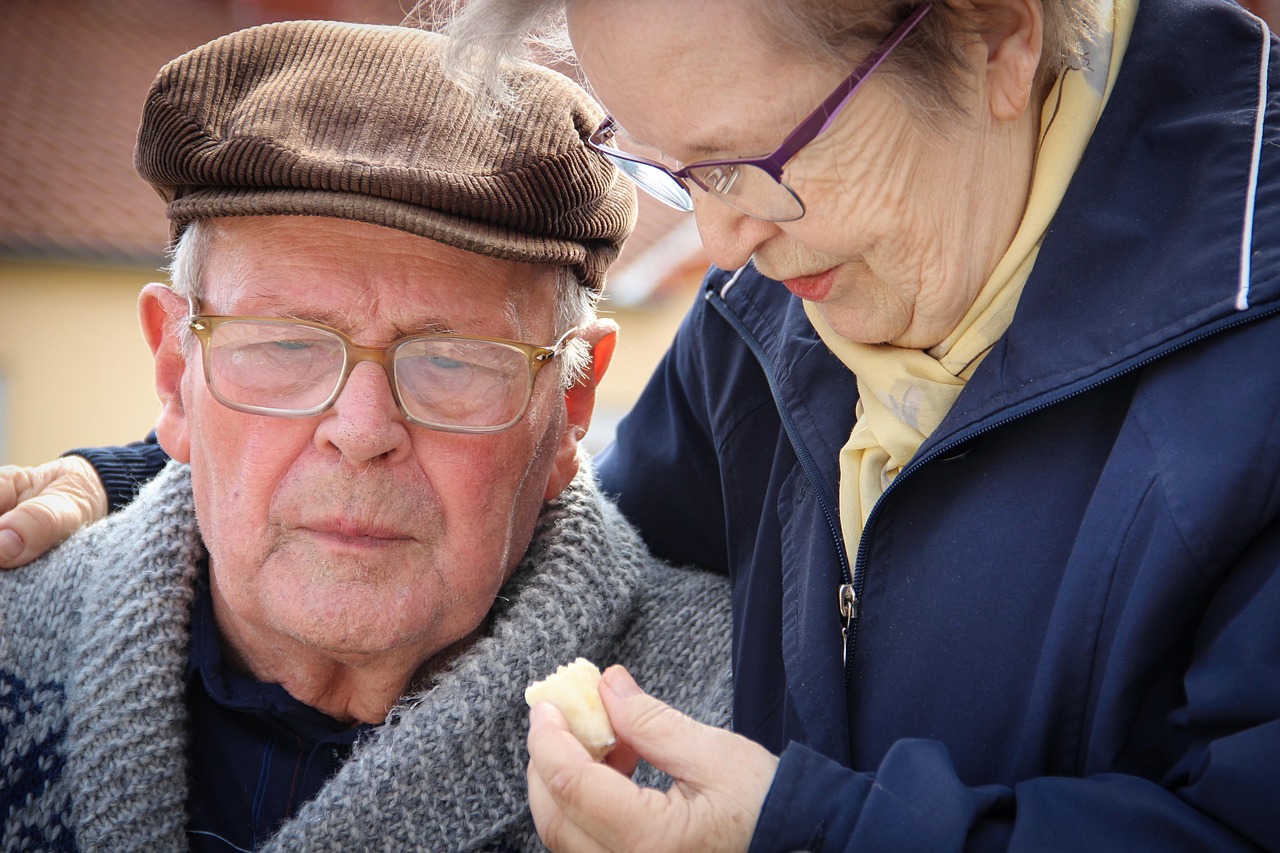
Staying active and maintaining a healthy lifestyle is crucial at any age, but it becomes even more important as we embrace our senior years. Regular exercise offers a wealth of benefits for seniors, from improved physical health and cognitive function to enhanced mood and greater independence. Finding the right senior exercise program can make all the difference in enjoying a fulfilling and active later life. This comprehensive guide explores the various types of senior exercise programs, their benefits, and how to choose the best one for your individual needs.
Why Senior Exercise Programs are Important
Physical Health Benefits
Engaging in regular exercise offers a multitude of physical health benefits for seniors. It’s not just about staying strong; it’s about maintaining overall well-being and quality of life.
- Improved Cardiovascular Health: Exercise strengthens the heart, lowers blood pressure, and improves circulation, reducing the risk of heart disease and stroke.
- Increased Strength and Endurance: Weight-bearing exercises and strength training help build muscle mass and bone density, preventing falls and fractures. As we age, muscle mass naturally declines, so regular strength exercises are even more crucial.
- Enhanced Balance and Coordination: Balance exercises can significantly reduce the risk of falls, a major concern for seniors. For example, Tai Chi is a low-impact exercise known to improve balance and coordination.
- Better Flexibility and Range of Motion: Stretching and flexibility exercises can improve joint mobility, reduce stiffness, and alleviate pain associated with arthritis.
- Weight Management: Exercise helps burn calories and maintain a healthy weight, reducing the risk of obesity-related health problems like diabetes and heart disease.
Cognitive and Mental Well-being
The benefits of senior exercise programs extend far beyond the physical realm. They also have a significant impact on cognitive function and mental well-being.
- Improved Cognitive Function: Studies have shown that regular exercise can improve memory, attention, and executive function. It helps increase blood flow to the brain and stimulate the growth of new brain cells.
- Reduced Risk of Dementia: Research suggests that physical activity can lower the risk of developing Alzheimer’s disease and other forms of dementia.
- Enhanced Mood and Reduced Stress: Exercise releases endorphins, which have mood-boosting effects and can help reduce stress, anxiety, and depression.
- Increased Social Interaction: Group exercise programs provide opportunities for seniors to socialize, connect with others, and build a sense of community.
Maintaining Independence
One of the most significant benefits of senior exercise programs is their ability to help seniors maintain their independence and quality of life.
- Improved Mobility and Functionality: Regular exercise helps seniors maintain their ability to perform daily tasks such as walking, climbing stairs, and carrying groceries.
- Reduced Risk of Falls: By improving balance, strength, and coordination, exercise can significantly reduce the risk of falls, a leading cause of injury and disability in seniors. The National Council on Aging (NCOA) offers programs like “A Matter of Balance” to address this issue.
- Greater Confidence and Self-Esteem: Feeling physically strong and capable can boost confidence and self-esteem, contributing to a greater sense of well-being.
- Delaying the Need for Assisted Living: By maintaining physical and cognitive function, exercise can help seniors stay independent and delay the need for assisted living or long-term care.
Types of Senior Exercise Programs
Choosing the right exercise program depends on individual needs, preferences, and physical abilities. Here are some popular options:
Chair Exercises
Chair exercises are a great option for seniors with limited mobility or balance issues. They can be performed seated in a chair, making them safe and accessible for a wide range of individuals.
- Benefits: Improved strength, flexibility, and range of motion, while minimizing the risk of falls.
- Examples: Seated leg extensions, arm raises, torso twists, and marching in place. Many YMCA locations and senior centers offer chair exercise classes.
- Tips: Start slowly and gradually increase the intensity and duration of your workouts. Make sure to consult with a healthcare professional before starting any new exercise program.
Water Aerobics
Water aerobics is a low-impact exercise that is gentle on the joints, making it an ideal option for seniors with arthritis or other joint pain.
- Benefits: Improved cardiovascular health, strength, flexibility, and balance, with minimal stress on the joints. The water provides buoyancy and resistance, making it easier to move and exercise.
- Examples: Water walking, arm circles, leg lifts, and flutter kicks. Many community pools and fitness centers offer water aerobics classes specifically designed for seniors.
- Tips: Wear appropriate swimwear and water shoes for traction. Stay hydrated by drinking plenty of water before, during, and after your workout.
Walking and Hiking
Walking is a simple yet effective exercise that can be easily incorporated into your daily routine. Hiking offers a more challenging option for those who enjoy the outdoors.
- Benefits: Improved cardiovascular health, strength, and endurance, as well as mental well-being. Walking can also help improve bone density and reduce the risk of falls.
- Examples: Daily walks around the neighborhood, hiking on trails, or using a treadmill. Consider joining a walking group for social support and motivation.
- Tips: Wear comfortable shoes and clothing. Start with short walks and gradually increase the distance and intensity. Choose safe walking routes with well-maintained sidewalks or trails.
Tai Chi and Yoga
Tai Chi and yoga are gentle, low-impact exercises that focus on balance, flexibility, and mindfulness.
- Benefits: Improved balance, coordination, flexibility, and strength, as well as reduced stress and anxiety. These exercises can also help improve posture and breathing.
- Examples: Tai Chi movements involve slow, flowing motions that promote relaxation and balance. Yoga poses can be modified to suit individual abilities and limitations. Many senior centers and community centers offer Tai Chi and yoga classes.
- Tips: Find a qualified instructor who is experienced in working with seniors. Wear comfortable clothing and practice in a quiet, comfortable space.
Choosing the Right Program
Selecting the best senior exercise program requires careful consideration of your individual needs, preferences, and physical limitations.
Assess Your Fitness Level and Health Conditions
Before starting any new exercise program, it’s important to assess your current fitness level and any health conditions you may have.
- Consult with Your Doctor: Talk to your doctor about your plans to start exercising, especially if you have any underlying health conditions such as heart disease, diabetes, or arthritis.
- Consider Your Mobility and Balance: If you have limited mobility or balance issues, consider chair exercises or water aerobics, which are gentler on the joints and minimize the risk of falls.
- Evaluate Your Strength and Endurance: Choose exercises that are appropriate for your current strength and endurance levels. Start slowly and gradually increase the intensity and duration of your workouts.
Consider Your Interests and Preferences
Choose an exercise program that you enjoy and are likely to stick with over the long term.
- Try Different Activities: Experiment with different types of exercises to find what you enjoy most.
- Join a Group Class: Group exercise classes can provide social support and motivation.
- Make it Social: Exercise with a friend or family member to stay motivated and accountable.
Evaluate Program Accessibility and Cost
Consider the accessibility and cost of different exercise programs.
- Location: Choose a program that is conveniently located and easily accessible.
- Cost: Look for affordable options, such as community center classes or free online resources. Many senior centers offer exercise programs at reduced rates.
- Schedule: Choose a program that fits your schedule and lifestyle.
Getting Started Safely
Before diving into any exercise routine, safety should be a top priority.
Warm-Up and Cool-Down
- Warm-up: Always begin your workout with a warm-up to prepare your muscles for exercise. This could include gentle stretching and light cardio, such as walking in place.
- Cool-down: End your workout with a cool-down to gradually lower your heart rate and prevent muscle soreness. This could include stretching or walking at a slow pace.
Proper Form and Technique
- Focus on Proper Form: Maintaining proper form is crucial to prevent injuries. If you’re unsure about proper form, consult with a qualified instructor.
- Listen to Your Body: Pay attention to your body and stop if you experience any pain or discomfort.
Stay Hydrated and Nourished
- Drink Plenty of Water: Stay hydrated by drinking plenty of water before, during, and after your workout.
- Eat a Healthy Diet: Fuel your body with a healthy diet that includes plenty of fruits, vegetables, and lean protein.
Conclusion
Senior exercise programs offer a wealth of benefits for physical health, cognitive function, and overall well-being. By choosing the right program and getting started safely, seniors can enjoy a more active, independent, and fulfilling life. Remember to consult with your doctor before starting any new exercise program, and listen to your body to prevent injuries. Embrace the opportunity to stay active and healthy, and enjoy the many rewards that regular exercise can bring.