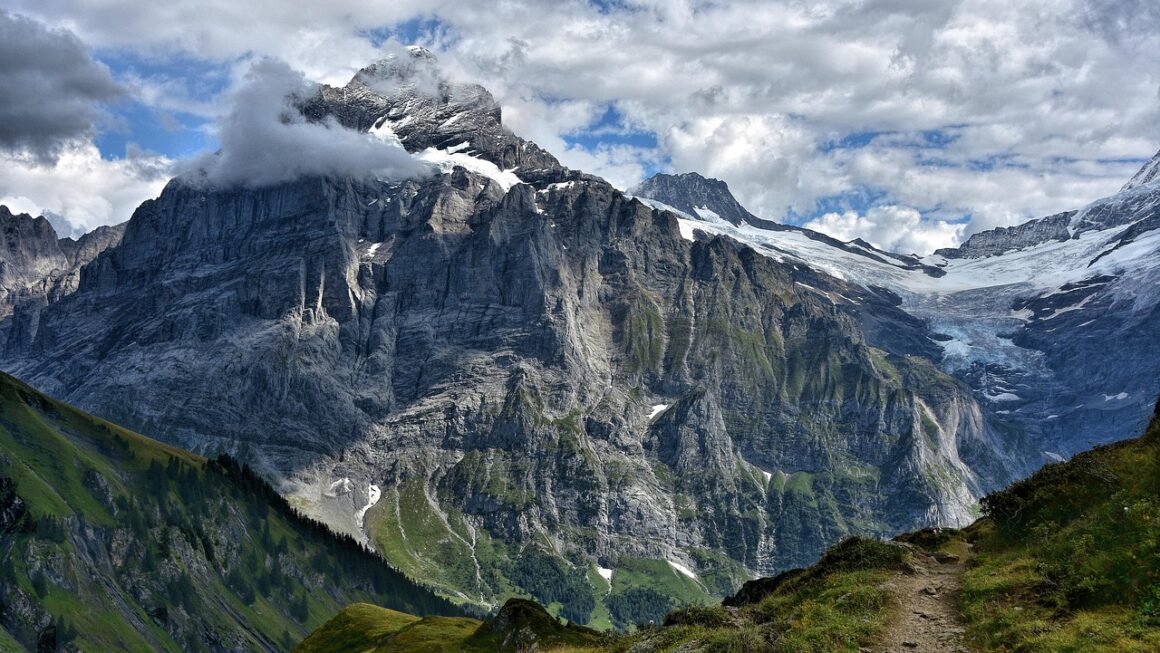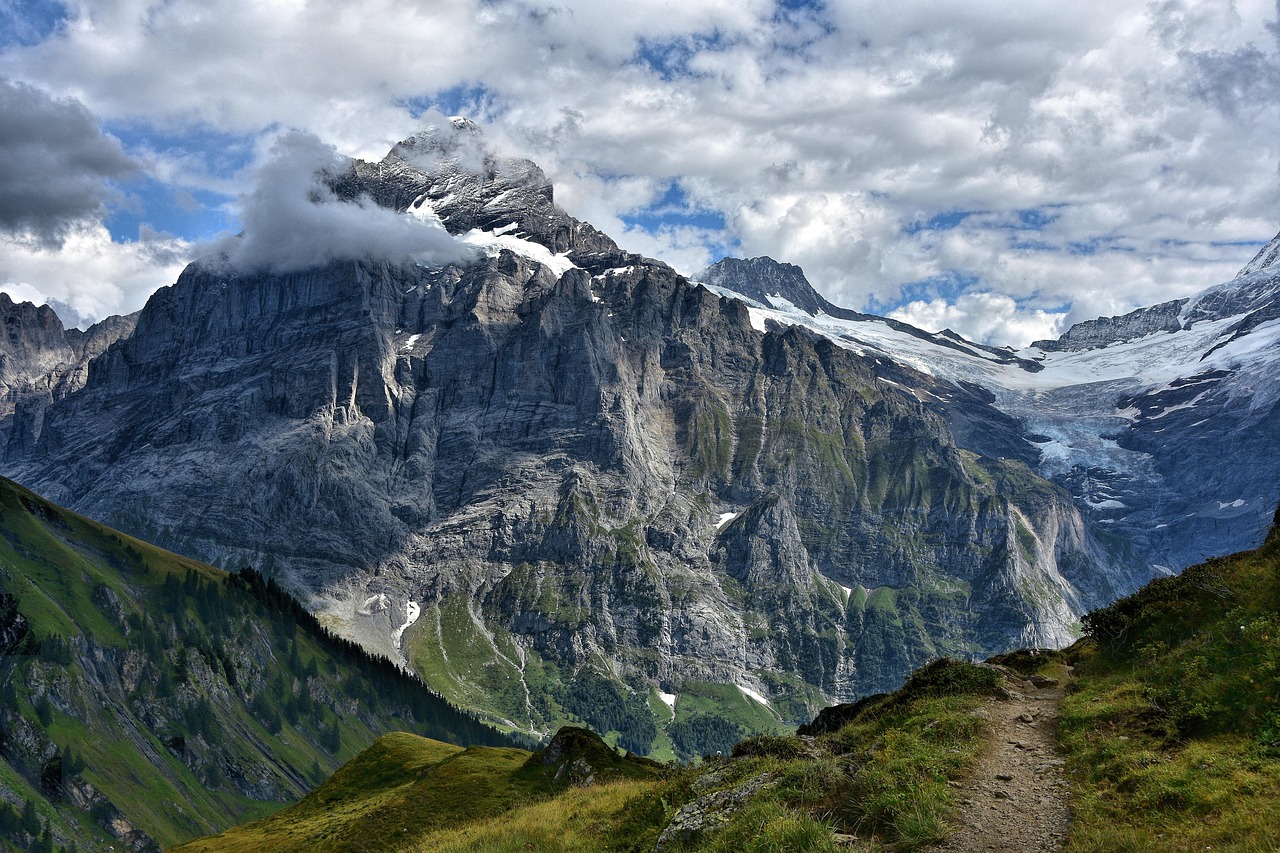
Planning a mountain trip? The allure of towering peaks, pristine air, and breathtaking views is undeniable. But venturing into the mountains requires careful preparation and a keen understanding of the environment. Whether you’re a seasoned mountaineer or a novice hiker, this guide will provide valuable insights and practical tips to ensure a safe, enjoyable, and unforgettable mountain adventure.
Why Choose a Mountain Trip?
Benefits of Mountain Getaways
Mountain trips offer a unique blend of physical challenge, mental rejuvenation, and unparalleled natural beauty. Here’s why you should consider adding a mountain escape to your travel plans:
- Physical Fitness: Hiking and climbing provide excellent cardiovascular exercise, build strength and endurance, and improve overall fitness levels. Example: A day hike up a moderate mountain trail can burn anywhere from 500 to 800 calories.
- Mental Wellbeing: Studies show that spending time in nature reduces stress, improves mood, and enhances cognitive function. The tranquility of the mountains offers a welcome respite from the demands of daily life.
- Stunning Scenery: From snow-capped peaks to lush valleys, mountain landscapes are incredibly diverse and visually captivating. Imagine waking up to panoramic views that stretch for miles.
- Adventure and Exploration: Mountain trips offer opportunities for adventure, whether it’s conquering a challenging summit, exploring hidden waterfalls, or discovering unique wildlife.
- Connection with Nature: Immersing yourself in the natural environment fosters a deeper appreciation for the planet and encourages responsible stewardship.
Types of Mountain Adventures
The specific type of adventure you have will depend on what you want to achieve on the trip. Some options include:
- Hiking: This is a popular choice for all fitness levels. Trails range from easy walks to strenuous climbs.
- Backpacking: Carry all your gear and camp overnight, allowing for multi-day explorations.
- Mountaineering: This is a technical pursuit that requires specialized skills and equipment to climb steep, icy, or rocky terrain.
- Rock Climbing: Test your strength and agility on challenging rock faces.
- Skiing/Snowboarding: Enjoy winter sports on world-class mountain slopes.
- Mountain Biking: Explore trails on two wheels and enjoy the thrill of downhill riding.
Planning Your Mountain Trip
Choosing the Right Location
Selecting the right destination is crucial for a successful mountain trip. Consider the following factors:
- Your Fitness Level: Opt for trails and activities that align with your current fitness level. Start with easier hikes and gradually progress to more challenging routes.
- Time of Year: Mountain weather can be unpredictable. Research the best time to visit based on your desired activities and preferred climate.
- Accessibility: Consider how easily you can reach the trailhead or mountain resort. Check for road closures or transportation options.
- Permits and Reservations: Some popular mountain areas require permits for hiking, camping, or parking. Book in advance to secure your spot. Example: Many national parks require reservations months in advance, especially during peak season.
- Budget: Account for transportation, accommodation, food, activities, and gear rentals when planning your budget.
- Trail Difficulty: Understand the terrain rating system and choose an appropriately challenging trail for your skill level and experience.
Essential Gear and Equipment
Proper gear is essential for safety and comfort in the mountains. Here’s a checklist of must-have items:
- Hiking Boots: Sturdy, waterproof hiking boots with good ankle support are essential for navigating uneven terrain.
- Backpack: Choose a backpack that is appropriately sized for the length of your trip and the amount of gear you need to carry.
- Clothing: Layer your clothing to adapt to changing weather conditions. Include moisture-wicking base layers, insulating mid-layers, and a waterproof and windproof outer shell.
- Navigation: Bring a map, compass, and GPS device to stay on course. Learn how to use them effectively.
- Sun Protection: Wear sunscreen, sunglasses, and a hat to protect yourself from the sun’s harmful rays.
- First-Aid Kit: Carry a well-stocked first-aid kit with essentials like bandages, antiseptic wipes, pain relievers, and blister treatment.
- Water and Food: Bring plenty of water and high-energy snacks to stay hydrated and fueled throughout your trip.
- Headlamp/Flashlight: Essential for navigating in low-light conditions or emergencies.
- Emergency Shelter: A lightweight emergency blanket or bivy sack can provide protection from the elements in case of unexpected delays or injuries.
- Multi-tool or Knife: Useful for a variety of tasks, from repairing gear to preparing food.
- Bear Spray (in bear country): A deterrent for bears if you encounter them in the wild.
Training and Preparation
Preparing your body for the physical demands of a mountain trip is crucial.
- Cardiovascular Exercise: Engage in activities like running, swimming, or cycling to improve your cardiovascular fitness.
- Strength Training: Focus on building strength in your legs, core, and back. Squats, lunges, and planks are excellent exercises.
- Hiking with a Weighted Pack: Gradually increase the weight in your backpack to simulate the load you will carry on your trip.
- Altitude Acclimatization: If you are traveling to high altitudes, spend a few days acclimatizing to the lower oxygen levels. Avoid strenuous activity and drink plenty of water.
- Learn Basic First Aid: Knowing basic first aid can be crucial in case of an emergency. Consider taking a wilderness first aid course.
Mountain Safety and Etiquette
Understanding Mountain Weather
Mountain weather can change rapidly and unpredictably. Be prepared for sudden shifts in temperature, wind, and precipitation.
- Check the Forecast: Monitor weather forecasts before and during your trip. Pay attention to potential hazards like thunderstorms, snowstorms, and high winds.
- Be Prepared for All Conditions: Pack clothing and gear that can handle a variety of weather conditions.
- Avoid Exposed Areas During Storms: Seek shelter in a safe location if a storm approaches.
- Understand Microclimates: Be aware that weather conditions can vary significantly depending on elevation, aspect, and local terrain.
Wildlife Awareness
Mountains are home to a diverse range of wildlife. Respect their habitat and take precautions to avoid encounters.
- Store Food Properly: Keep food in airtight containers and store it away from your campsite. Consider using bear canisters in bear country.
- Maintain a Safe Distance: Observe wildlife from a distance and never approach or feed animals.
- Make Noise: Talk or sing to alert animals of your presence and avoid surprising them.
- Carry Bear Spray (in bear country): Know how to use bear spray and keep it readily accessible.
Leave No Trace Principles
Protect the natural environment by following Leave No Trace principles.
- Pack It In, Pack It Out: Carry out everything you carry in, including trash, food scraps, and packaging.
- Minimize Campfire Impacts: Use established fire rings or camp stoves. Keep fires small and controlled.
- Respect Wildlife: Observe wildlife from a distance and avoid disturbing their habitat.
- Leave What You Find: Leave natural objects like rocks, plants, and artifacts undisturbed.
- Be Considerate of Other Visitors: Minimize noise and respect the privacy of other hikers and campers.
Capturing the Mountain Experience
Photography Tips
Mountain landscapes offer stunning photo opportunities.
- Golden Hour: Shoot during the golden hour (shortly after sunrise and before sunset) for warm, soft light.
- Composition: Use leading lines, the rule of thirds, and other compositional techniques to create visually appealing images.
- Foreground Interest: Include foreground elements like rocks, flowers, or trees to add depth and context to your photos.
- Wide-Angle Lens: A wide-angle lens is ideal for capturing expansive mountain vistas.
- Telephoto Lens: A telephoto lens is useful for capturing wildlife or distant details.
- Protect Your Equipment: Use a waterproof camera bag or case to protect your gear from the elements.
Journaling and Reflection
Document your experiences and reflections in a journal.
- Record Your Observations: Note the scenery, wildlife, weather conditions, and challenges you faced.
- Reflect on Your Feelings: Explore your emotions and insights gained from the trip.
- Sketch the Landscape: Create visual records of your favorite scenes.
- Collect Mementos: Gather small, non-intrusive souvenirs like leaves or pebbles (where permitted).
Conclusion
Embarking on a mountain trip can be a transformative experience. By carefully planning, preparing, and respecting the environment, you can create lasting memories and deepen your connection with nature. Remember to prioritize safety, follow Leave No Trace principles, and savor every moment of your mountain adventure. So, pack your bags, lace up your boots, and get ready to explore the majestic beauty of the mountains!