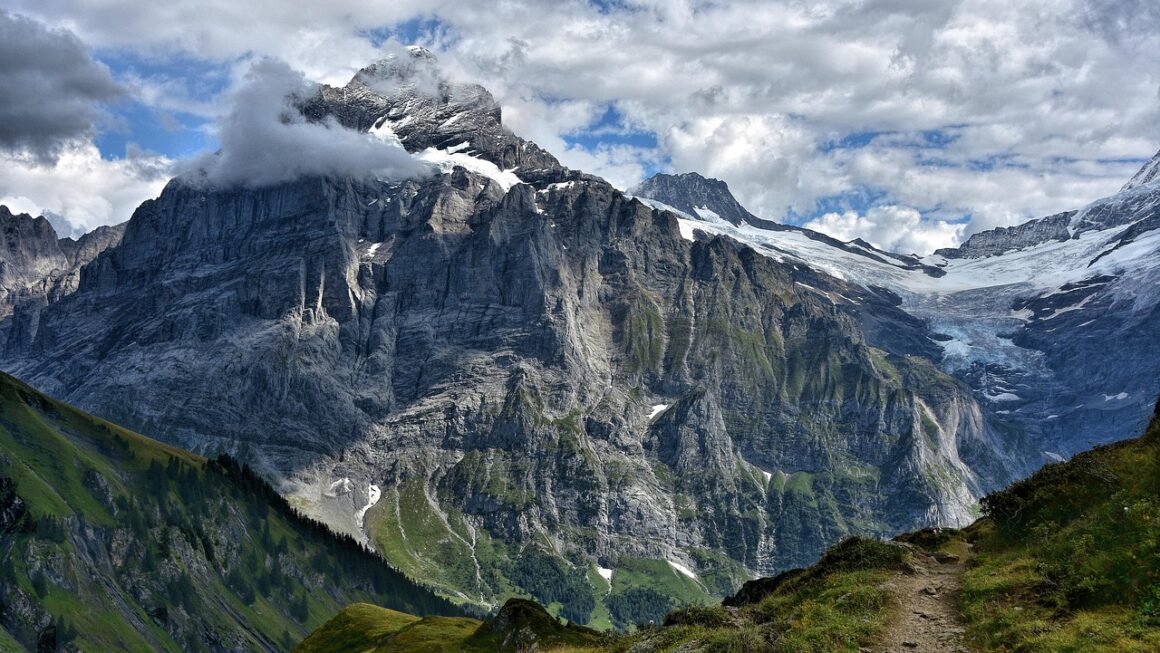
Adventure calls to those with a spirit for exploration, a yearning for the unknown, and a desire to push personal boundaries. Whether you’re a seasoned adrenaline junkie or a novice looking to break free from the routine, adventure trips offer transformative experiences that leave lasting memories and a profound sense of accomplishment. This guide explores the exciting world of adventure travel, providing insights into various types of adventures, how to plan them, and what to expect along the way.
Defining Your Adventure
What Exactly is an Adventure Trip?
Adventure trips are more than just vacations; they are immersive experiences designed to challenge you physically, mentally, and emotionally. They often involve activities that take you out of your comfort zone and into unfamiliar environments. Adventure travel isn’t just about thrill-seeking; it’s about exploration, discovery, and connecting with nature and different cultures.
- Key Characteristics:
Physical Activity: Hiking, biking, climbing, paddling, etc.
Exploration of Unfamiliar Environments: Remote mountains, dense jungles, vast oceans, etc.
Risk and Uncertainty: Weather conditions, challenging terrain, unexpected encounters.
Cultural Immersion: Interacting with local communities and learning about their traditions.
Different Types of Adventure Travel
The world of adventure travel is vast and diverse. Here are some popular options:
- Hiking and Trekking: From multi-day treks in the Himalayas to day hikes in national parks, this offers stunning scenery and physical challenge. Example: The Inca Trail to Machu Picchu, the Appalachian Trail.
- Mountain Biking: Explore rugged terrain on two wheels. Consider trails in Moab, Utah, or the Alps for advanced riders.
- Water Sports:
Kayaking/Canoeing: Navigate rivers, lakes, and coastlines. The Boundary Waters Canoe Area Wilderness in Minnesota is a classic destination.
Whitewater Rafting: Experience the thrill of navigating rapids. The Zambezi River in Africa offers some of the most intense rafting in the world.
* Scuba Diving/Snorkeling: Explore underwater worlds. The Great Barrier Reef in Australia is a diver’s paradise.
- Climbing and Mountaineering: Test your skills and endurance scaling rock faces or mountain peaks. Yosemite National Park is renowned for its climbing opportunities.
- Wildlife Safaris: Observe animals in their natural habitats. The Serengeti in Tanzania is a must-see for wildlife enthusiasts.
- Winter Adventures: Skiing, snowboarding, snowshoeing, and ice climbing are popular options for winter adventure. Destinations like Whistler Blackcomb in Canada are world-class.
Planning Your Adventure Trip
Setting Realistic Goals
Before you book anything, define your objectives. What do you want to achieve on this adventure?
- Consider your fitness level: Don’t attempt a strenuous trek if you’re not in good shape. Start with shorter, easier adventures and gradually increase the difficulty.
- Evaluate your experience: If you’re new to an activity, take lessons or hire a guide.
- Set achievable goals: Focus on enjoying the journey rather than pushing yourself to the limit.
Researching Your Destination
Thorough research is crucial for a successful adventure trip.
- Climate and weather: Understand the seasonal weather patterns and pack accordingly.
- Terrain and difficulty: Assess the physical demands of the adventure and ensure it aligns with your fitness level.
- Cultural considerations: Respect local customs and traditions. Learn a few basic phrases in the local language.
- Safety concerns: Research potential hazards, such as wildlife, natural disasters, or political instability. Check travel advisories from your government.
- Permits and Visas: Secure all necessary permits and visas well in advance.
Budgeting and Booking
Adventure trips can range in price. Planning a budget will help narrow down options.
- Accommodation: Consider camping, hostels, guesthouses, or hotels depending on your budget and desired level of comfort.
- Transportation: Factor in the cost of flights, trains, buses, and local transportation.
- Activities and tours: Research and book activities in advance, especially during peak season.
- Food and drinks: Estimate your daily food and drink expenses.
- Gear and equipment: Budget for any necessary gear, such as hiking boots, backpacks, or camping equipment.
- Travel insurance: This is essential. Choose a policy that covers adventure activities, medical emergencies, and trip cancellations.
Essential Gear and Equipment
Clothing and Footwear
The right gear can make or break an adventure trip.
- Moisture-wicking base layers: These help regulate body temperature and keep you dry.
- Insulating mid-layers: Fleece or down jackets provide warmth in cold conditions.
- Waterproof and windproof outer layers: Protect you from the elements.
- Sturdy hiking boots: Invest in comfortable, well-fitting boots that provide ankle support.
- Hiking socks: Choose moisture-wicking socks to prevent blisters.
Navigation and Safety
- Map and compass: Learn how to use them and carry them even if you have a GPS device.
- GPS device or smartphone with GPS: Download offline maps and navigation apps.
- First-aid kit: Include essential medications, bandages, antiseptic wipes, and pain relievers.
- Emergency shelter: A lightweight bivy sack or tarp can provide protection from the elements.
- Headlamp or flashlight: Essential for navigating in the dark.
- Whistle: A loud whistle can attract attention in an emergency.
- Sunscreen and insect repellent: Protect yourself from the sun and insects.
Packing Smart
- Pack light: Only bring what you need. Every ounce counts, especially on hiking or backpacking trips.
- Use packing cubes: These help organize your gear and compress clothing.
- Waterproof your gear: Use dry bags or line your backpack with a plastic bag.
- Bring a reusable water bottle or hydration reservoir: Staying hydrated is crucial.
- Consider a portable power bank: To keep your devices charged in remote locations.
Staying Safe and Healthy
Physical Preparedness
- Train in advance: Prepare your body for the physical demands of the adventure.
- Warm up and cool down: Before and after each activity to prevent injuries.
- Listen to your body: Don’t push yourself too hard, especially in the beginning.
- Stay hydrated: Drink plenty of water throughout the day.
- Eat nutritious meals: Fuel your body with healthy foods.
Health Precautions
- Consult with your doctor: Get necessary vaccinations and medications.
- Practice proper hygiene: Wash your hands frequently and avoid drinking untreated water.
- Be aware of altitude sickness: Ascend gradually and acclimatize to the altitude.
- Prevent insect bites: Use insect repellent and wear long sleeves and pants.
- Protect yourself from the sun: Wear sunscreen, sunglasses, and a hat.
Emergency Procedures
- Inform someone of your itinerary: Let a friend or family member know your plans and expected return date.
- Carry a personal locator beacon (PLB): This can send a distress signal in an emergency.
- Know how to signal for help: Learn basic signaling techniques.
- Stay calm and assess the situation: If you get lost or injured, remain calm and evaluate your surroundings.
- Conserve energy: Ration your food and water.
Conclusion
Adventure trips offer unparalleled opportunities for personal growth, exploration, and connection with the natural world. By carefully planning your adventure, packing the right gear, prioritizing safety, and embracing the unknown, you can create unforgettable memories and discover new depths within yourself. So, pack your bags, step outside your comfort zone, and embark on an adventure that will change your life.